Kitten Feeding Tips
1. Have more meals a day but less food at each, and pay attention to timing, quantity andrationed feeding.
2. Offer meals on a consistent daily schedule. Use the feeding guide for a complete and balanced kitten food as a starting point, and adjust the daily amount as your kitten grows. Food needs vary with body condition, activity, neutering and health; there is no fixed age when every kitten's food intake becomes stable. Ask your veterinarian to help assess growth and choose suitable portions.
3. For weaned kittens, divide the daily food allowance into small meals. Three meals a day is a common starting point until around six months of age; from six months to one year, twice-daily feeding is often suitable. These are general guidelines, not rigid rules. Very young kittens or kittens with health concerns may need a different schedule, so follow your veterinarian's advice. Source: Cornell Feline Health Center.
Adult cat feeding tips
1 Cats enter the adult cat stage when they are over 12 months old. The body and digestive system of adult cats have basically matured, and they can better digest and absorb nutrients. Adult cats need balanced nutrition to maintain the best health.
2. As cats age, review their diet with a veterinarian based on body condition, muscle condition, activity and health rather than age alone. Some cats need fewer calories, while others need more to maintain weight and muscle. Do not choose a low-fat or low-energy diet, or restrict minerals, simply because a cat is seven years old or older. Diet changes for kidney or urinary disease should be based on a veterinary assessment and the individual cat's needs. Source: AAHA/AAFP feline nutrition guidance.
3 Weigh the cat regularly to ensure that the cat's weight is within the normal range, and feed it according to the recommendations of the veterinarian and nutritionist. Evaluate the cat's physical condition regularly, and adjust the amount of food fed according to the physical condition.
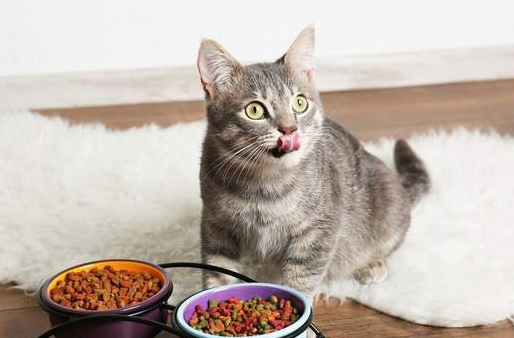
Choose a feeding bowl that is easy to clean and appropriate for your cat's size and feeding routine. Follow the bowl manufacturer's cleaning and care instructions.